
A good ceiling fan earns its keep twice a year: it cools you off through a July heat wave, and come November it pushes the warm air stuck up at your ceiling back down where you can feel it. If your third floor bakes all summer and your first floor stays chilly all winter, one fan can settle both.
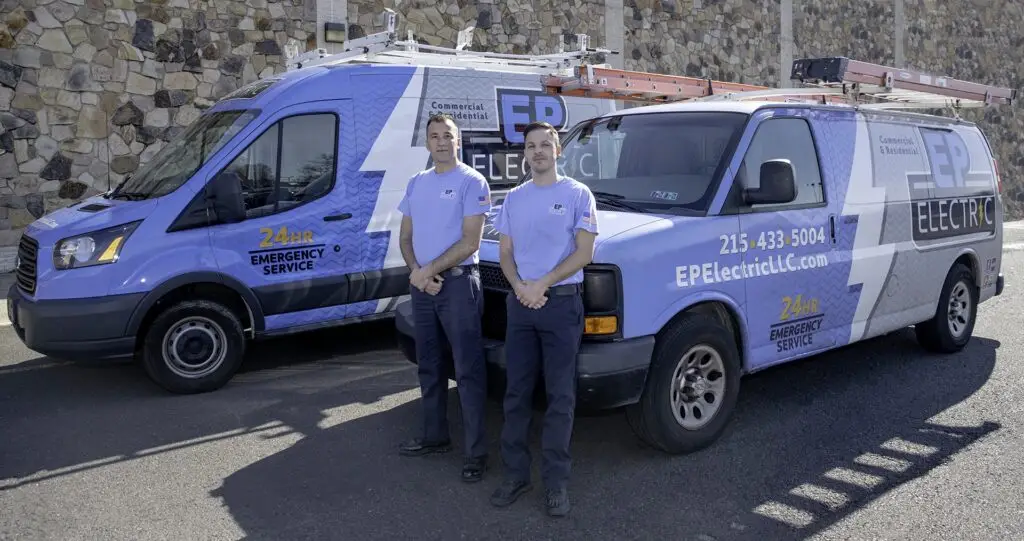
EP Electric is a family-owned team that’s been wiring homes around here for more than 20 years, and we handle ceiling fan installation in Philadelphia in ceilings of every era, plaster and lath included. Give us a call and we’ll come take a look at the room.
Here’s the nice part about a ceiling fan: you feel it the second it comes on. A few degrees cooler, no ductwork, no bigger unit, no window given up to a box AC. That makes ceiling fan installation in Philadelphia row homes and twins one of the easiest comfort wins going.
You get your top floor back. Third-floor bedrooms sit right under a flat black roof with barely any cavity above the plaster, and heat from two floors down rides the stairwell up to join it. A fan moves that stalled air, and if you’ve got attic space, attic ventilation helps too.
One window unit ends up doing the work of three. Row homes here run two rooms deep, so that cold air stops at the first doorway and the back bedroom never gets any of it. A fan pulls it through the house and keeps it moving where you’re sitting.
If your block runs hot, you already know it. Hunting Park and Point Breeze sit considerably warmer than Chestnut Hill, with thin tree canopy and pavement that holds heat well past sunset. When the street stays warm into the night, moving the indoor air is what makes a bedroom usable.
You sleep through the night instead of waking up at two. Philly summers don’t cool off after dark the way they used to, and brick blocks give back heat all evening long. Steady air over the bed does more for sleep than a colder thermostat, and it costs pennies.
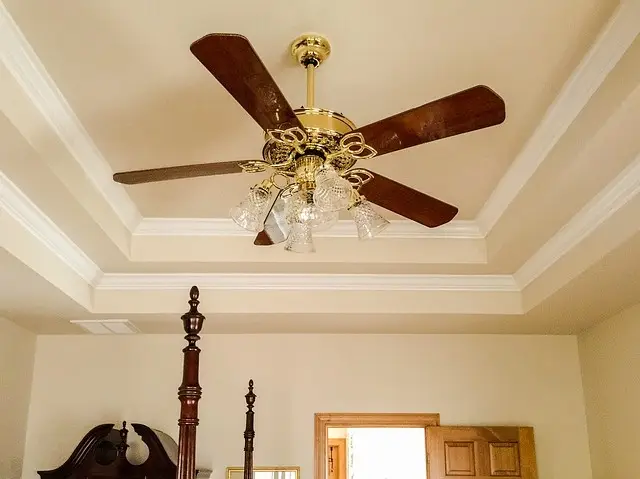
Flip the fan to run backwards on low and all that warm air stacked up at your ceiling comes back down to where you’re sitting. In older homes around here, that’s the difference between a comfortable first floor and a thermostat you keep nudging up all winter.
Your first floor stops giving away every bit of heat to the top of the house. Open stairwells in row homes and twins work like chimneys, sending warm air up to bedrooms nobody’s in at eight at night. Philadelphia ceiling fan installation puts a stop to that climb.
Those tall parlor ceilings stop working against you. Homes with nine and ten foot first floors let warm air settle well above head height, which is why the room feels cold while the ceiling’s toasty. You need that height for it to help, so low top floors benefit less.
Your mini split heats the whole room instead of the top third of it. Those wall heads mount high by design and blow warm air right into the zone that’s already warm, so the floor stays cold. A fan brings it down, and a smart thermostat lets you set it lower.

An old ceiling isn’t a dealbreaker, and you’re not the first person to worry about it. We’ve hung fans in Philadelphia homes built before electricity was a thing, and most of what looks like a problem from the floor turns out to be routine once we’re up there.
You can have a fan in a bedroom that’s never had anything overhead. Lots of older row homes wired lamps to a switched outlet and skipped the ceiling, so ceiling fan installation in Philadelphia, PA means a new circuit and a switch leg fished down the wall. Your plaster survives it.
Your ceiling looks like nothing ever happened up there. Hundred-year-old plaster and wood lath will crack and blow out if it’s cut wrong, and patching a bedroom ceiling is nobody’s idea of a good weekend. We open only what we have to and anchor the box properly.
You find out what’s up there before your insurance company does. A lot of pre-1940 homes around the city still have live knob-and-tube feeding the ceiling lights, and it can’t carry a fan or sit under insulation. If we find it, we’ll tell you straight and price the fix.
You get a straight answer instead of a surprise halfway through. Adding a bedroom circuit means arc-fault protection, and old fuse boxes and Federal Pacific panels won’t take those breakers. Sometimes the fan’s the easy part and the panel is the real conversation, and we’d rather say so upfront.
The fan that caught your eye in the store aisle isn’t always the one that’ll move air in your room. We’ll help you pick before you buy, so ceiling fan installation in Philadelphia doesn’t end with a return trip and a fan that never fit.
You end up with a fan that clears your head. Blades have to sit seven feet off the floor, which rules out downrods in most upper-floor bedrooms and postwar Northeast rows. Flush mounts solve it, and a lot of them come with built-in lighting so you keep the fixture.
The right span moves more air than a bigger fan will. Row home bedrooms and parlors here are narrow, and an oversized fan crowds the walls without circulating any better. A properly sized blade span in a modest room beats the wide great-room models the displays push hardest.
Your porch fan makes it through its first winter. Covered front porches all over West Philly, the Northeast, and Mount Airy need a damp-rated fan, and anything fully exposed needs a wet-rated one. Standard indoor models corrode out there fast, and the warranty won’t cover it.

Most fan installs wrap up in a single visit. You’ll know what we found, what it’ll cost, and what happens next before we start any work, so nothing gets sprung on you halfway through the afternoon. Here’s how a typical job goes from the first knock.
You get a real number, not a guess over the phone. We look at what’s above the ceiling, whether there’s a fan-rated box up there, and how the room’s wired before we quote. If something else deserves a closer look at your wiring, we’ll mention it then.
You don’t file anything or sit around waiting for an inspector. Ceiling fan installation in Philadelphia, PA falls under city permitting when new wiring’s involved, and the city requires a licensed third-party inspection agency. We pull the permit, book the inspection, and handle the sign-off for you.
Your room goes back to normal the same day. Cutting into a painted plaster ceiling makes dust, and in a pre-1978 home that dust matters more than most folks realize. We tape off the work area, clean up completely, and leave the room ready to use.
You get an electrician who’s been in a house like yours before. We’ve worked in about every kind of ceiling Philadelphia has, from Victorian twins in Mount Airy to postwar rows in the Far Northeast, and that shows up in how fast we work.
Two decades in this city’s housing stock means fewer surprises on your job. We know what sits above a flat roof, what’s behind century-old plaster, and which blocks still have live knob-and-tube. That turns into accurate quotes and installs that finish when we said they would.
You’re dealing with the same people from the quote to the cleanup. We’re family owned, not a franchise routing your call to whoever’s nearest, so the person who prices your fan is on the hook for how it turns out. Our name gets around here one block at a time.
Hundreds of Philadelphia homeowners have given us five stars. Those came from years of showing up when we said we would, pricing honestly, and cleaning up after ourselves. Have a read through them before you decide who’s getting up on a ladder in your bedroom.
People call us with the same handful of questions, and they’re good ones, especially in an older home where nobody’s quite sure what’s hiding behind the ceiling. Here’s what we tell them, and if yours isn’t on the list, just ask us when you call.
Cost comes down to what’s already in your ceiling. Swapping a fan into an existing fan-rated box is the simple version. A room with no box means new wiring, a switch leg, and sometimes a panel conversation. We quote after we’ve looked, never over the phone.
Most installs are done in a day. A straight swap takes a fraction of that. Running a new circuit through plaster walls, hanging several fans, or working around old wiring adds time, and we’ll tell you which one you’re looking at before we start the job.
Yes, and it’s one of the most common calls we get. A lot of older Philadelphia bedrooms were wired for lamps on a switched outlet with nothing overhead at all. We run a new circuit, fish a switch leg down the wall, and mount a proper fan-rated box.
Not when it’s done carefully. Old plaster and lath needs a controlled cut and real support for the new box, and that’s where inexperienced installers do damage. We open only what we need to and keep the surrounding ceiling intact, so there’s no patching afterward.
New wiring needs a city permit, and Philadelphia also requires a licensed third-party inspection agency rather than a city inspector. You don’t have to arrange any of that. We pull the permit, schedule the inspection, and handle the sign-off for you as part of the job.
Yes, and we work carefully around lead-safe requirements. Cutting a painted ceiling in a pre-1978 rental kicks up dust in a unit you’ve already had certified. We contain the work area properly, so your certification holds and your tenants get a real comfort upgrade out of it.
EP Electric is the best ceiling fan installation company in Philadelphia because we’ve spent 20+ years working in this exact housing stock. We’re family owned, rated 5.0 across 300+ reviews, and comfortable with plaster ceilings, knob-and-tube, and old panels. Call and we’ll tell you what’s possible in your room.
Whatever season is giving you trouble, one fan can settle it. EP Electric handles ceiling fan installation in Philadelphia in every kind of ceiling this city’s got, from century-old plaster to postwar drywall, and most jobs are done in a day. Give us a call and we’ll come have a look.